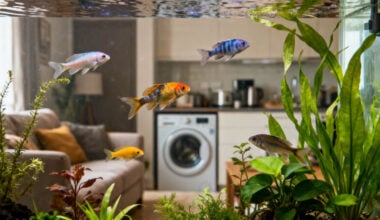
So, you finally upgraded from that tiny fishbowl after a tragic “first fish” incident. You’ve got a shiny new tank sitting on the counter, a box of mysterious gadgets, and a head full of questions.
Don’t worry, every aquarist starts here. Setting up a healthy aquarium isn’t rocket science; it’s just about following a simple, smart process.
Let’s turn that empty glass box into a thriving underwater world.
Table of Contents
Step 1: Planning & Tank Selection
Before you buy anything else, pause and plan. The tank size you choose makes all the difference. A common beginner mistake is starting too small, thinking it’ll be easier. In reality, a larger aquarium is much more forgiving, the extra water volume dilutes toxins like ammonia and keeps your water chemistry stable.
A 20-gallon tank is usually the sweet spot for beginners. It’s roomy enough for small community fish and easier to maintain than a bowl or nano tank.
Pick a sturdy stand that can handle the full weight (remember, water weighs about 8 pounds per gallon). Keep the tank away from direct sunlight or air vents to prevent temperature swings and algae blooms.
Near an outlet and a water source? Even better, you’ll thank yourself when you’re doing water changes later.
Step 2: Essential Equipment Checklist
Here’s your beginner’s gear guide, the aquarium starter pack you really need:
- Filter: Go for a sponge filter or hang-on-back filter. Sponge filters are quiet, easy to clean, and perfect for beginners. You can even add a bit of filter floss inside for extra polishing power.
- Heater: Aim for roughly 5 watts per gallon. This keeps tropical freshwater fish happy and your water temperature stable.
- Thermometer: Simple, cheap, and essential. You can’t fix what you can’t measure.
- Lighting: If you’re keeping live plants, proper aquarium lights are a must. If not, a basic LED fixture is fine.
- Tank lid: Keeps fish from leaping out and reduces evaporation. (You’d be surprised how athletic some fish are.)
- Water conditioner: Tap water contains chlorine and other chemicals that are toxic to fish. Use a conditioner to neutralize them before filling your tank.
- Test kit: Get a liquid test kit for ammonia, nitrite, and nitrate. Strips can work, but they’re less accurate.
- Gravel vacuum: Cleaning made easy. Trust me, your future self will thank you.
- Fish food: Pick the right type for your chosen species, flakes, pellets, or frozen options.
Optional but helpful: a small bucket for automatic water changes or manual ones, and a net for moving fish safely.
Step 3: Setting Up the Tank
Now the fun begins, building your little ecosystem.
- Rinse your gravel and decor with plain water. No soap ever; it leaves residues that can harm fish.
- Add your substrate and place decorations where you want them (plants, caves, driftwood, go wild).
- Fill the tank halfway with treated tap water, add your decorations securely, then top it off.
- Install the filter and heater, but wait about 30 minutes before turning on the heater to avoid damage from rapid temperature changes.
- Plug everything in and check for leaks. Let the system run for at least 24 hours to stabilize the temperature and make sure all equipment works properly.
It’s like prepping a house before your fish move in, everything should run smoothly before they arrive.
Step 4: The Nitrogen Cycle (Don’t Skip Cycling)
If there’s one step you can’t rush, it’s this one. Missing the nitrogen cycle is a common and costly beginner fishkeeping mistake. This is because the nitrogen cycle builds up beneficial bacteria that convert toxic ammonia from fish waste into less harmful forms (nitrite and then nitrate).
If you’d like a deeper dive into understanding the nitrogen cycle in aquariums, this guide explains the process beautifully for beginners. Without this process, your fish will basically be swimming in poison.
You can “cycle” a tank in two main ways:
- Fishless cycling: Add an ammonia source or bottled bacteria and let the tank mature over a few weeks.
- Fish-in cycling: Use hardy species and monitor the water daily, doing partial water changes to keep them safe.
Personally, I recommend the fishless route, less stress for everyone involved. Once your ammonia and nitrite levels read ZERO, your tank is officially ready. Don’t let excitement tempt you to buy fish early. Patience now prevents heartbreak later.
Step 5: Adding Fish Gradually
Finally, the fun part. Time to bring your new pets home.
Start slow. Add just a few low maintenance fish at first, like zebra danios or guppies. They’ll help your tank stabilize while you get the hang of maintenance.
If you’re drawn to colorful species, you can eventually add white skirt tetras or even a red zebra cichlid (just remember cichlids can be aggressive fish and may not mix with peaceful species).
Avoid impulse-buying that adorable dogface puffer fish or french angelfish at the store, they’re marine species that need saltwater and much larger tanks. For now, focus on community-friendly freshwater fish.
If you’re planning a mixed tank, always quarantine new fish in a separate container or tank for at least two weeks. This simple step prevents diseases from spreading into your main aquarium.
Oh, and keep stocking light. Fish need space, and your filter needs time to adjust. Think of it as moving into a new apartment, you don’t invite twenty roommates on day one.
Wrapping It Up
Setting up your first aquarium can feel intimidating, but once you break it into steps, it’s really just common sense and patience.
- Start with the right tank.
- Get the essentials.
- Cycle properly.
- Add fish slowly.
Before long, you’ll have a miniature ecosystem thriving right in your living room.
Everyone starts somewhere, even the most experienced aquarists once panicked over cloudy water and mismatched fish. For more tips on keeping your fish happy and healthy, check out this excellent beginner’s guide to aquarium fish care from PetMD.
Stick with it, keep learning, and soon you’ll be the one giving advice to newcomers.
Your tank will go from “empty glass box” to “fish paradise” before you know it. And who knows, maybe one day you’ll be caring for quirky species like the clown goby or building that dream marine setup.
Welcome to the hobby, it’s about to get addicting!
FAQ’s
How long should I wait before adding fish to a new aquarium?
Wait until the nitrogen cycle is complete, typically 3–6 weeks. Test ammonia and nitrite levels first; both should read zero before adding fish.
What size tank is best for beginners?
A 20-gallon aquarium is ideal for first-time fishkeepers. It’s large enough to stay stable but small enough to manage easily.
Can I use tap water for my aquarium?
Yes, as long as you treat it with a water conditioner to remove chlorine and chloramine. This keeps your fish safe and your beneficial bacteria healthy.